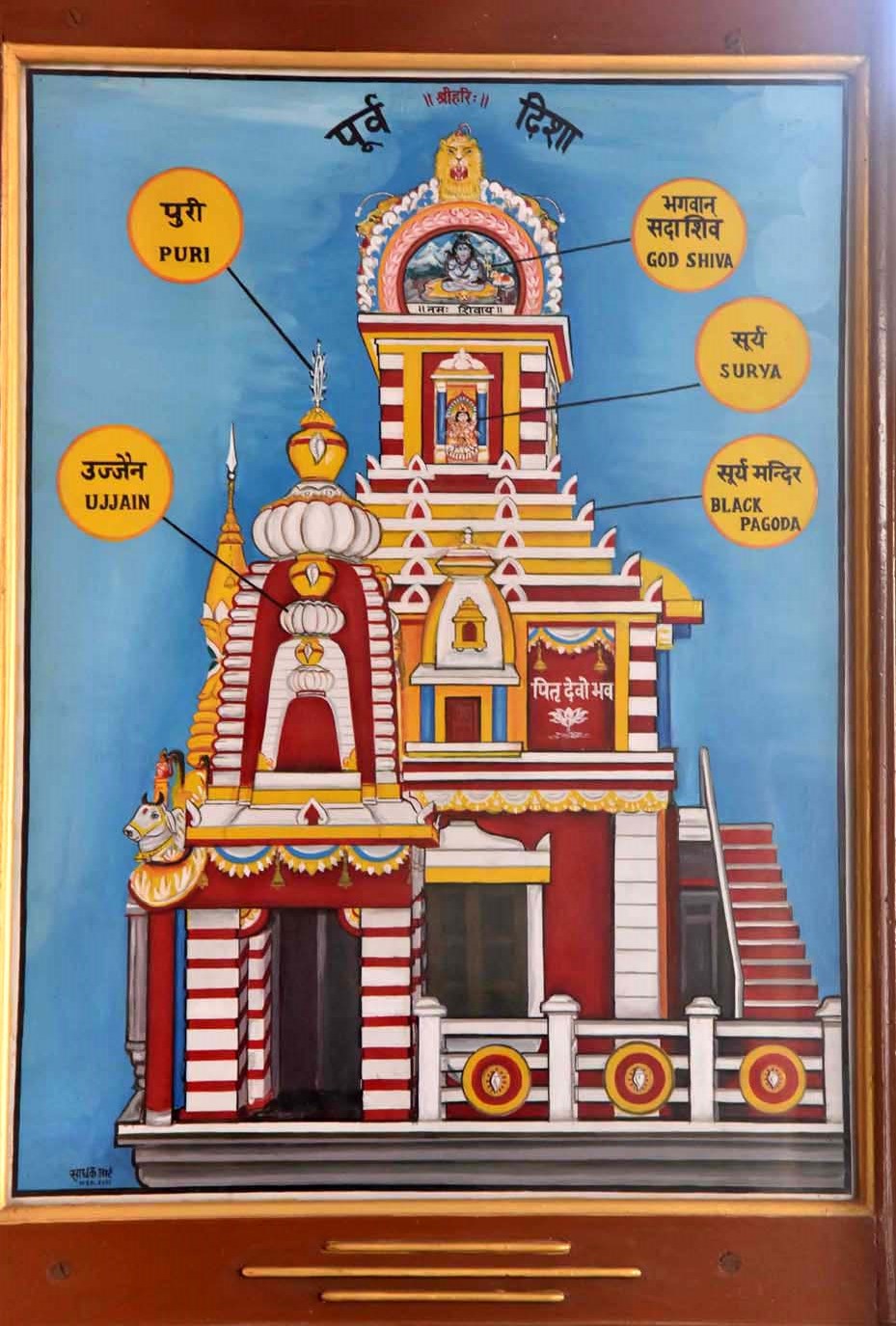
Where Ancient Temple Art
Becomes a Living Gateway
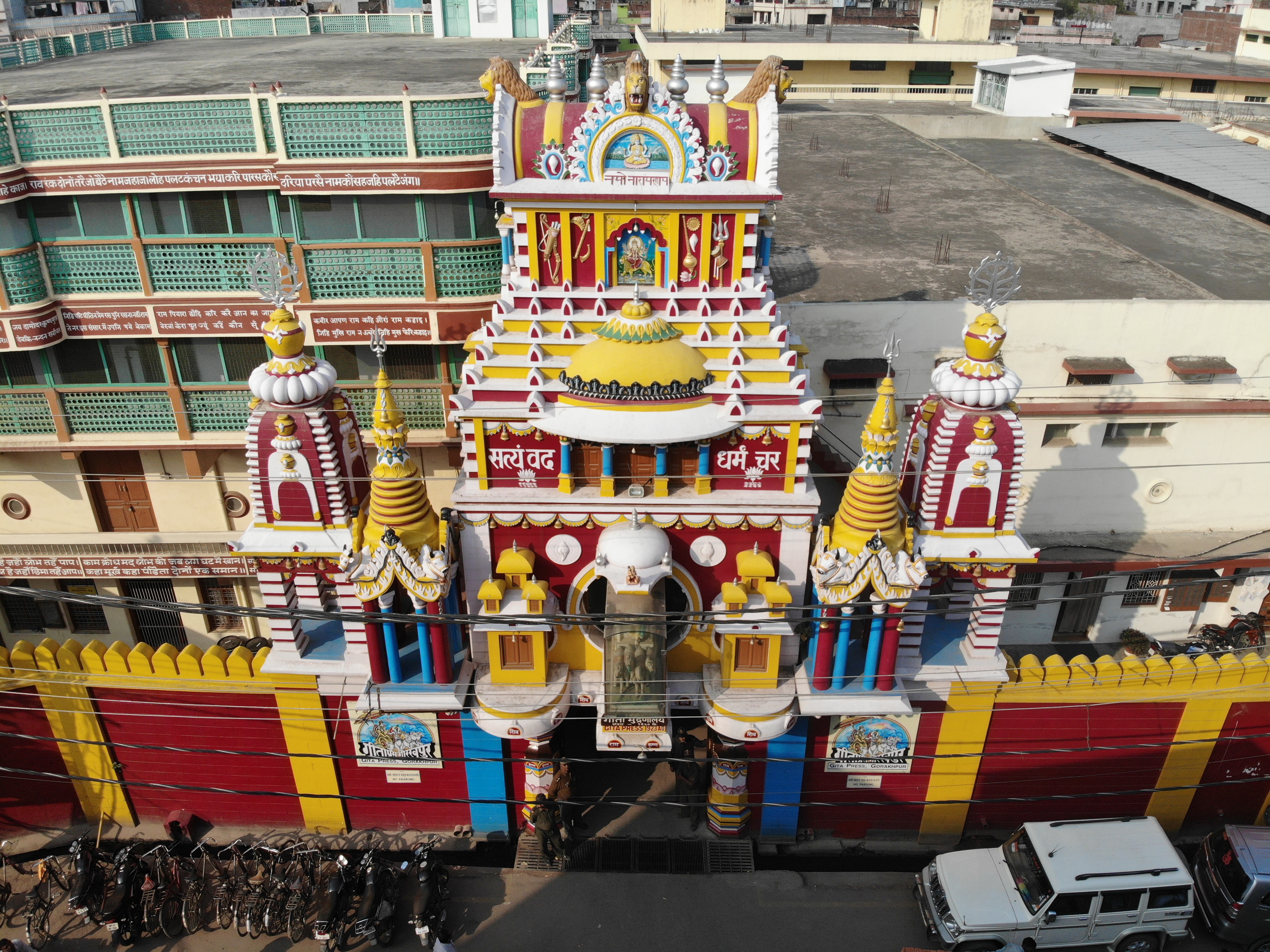
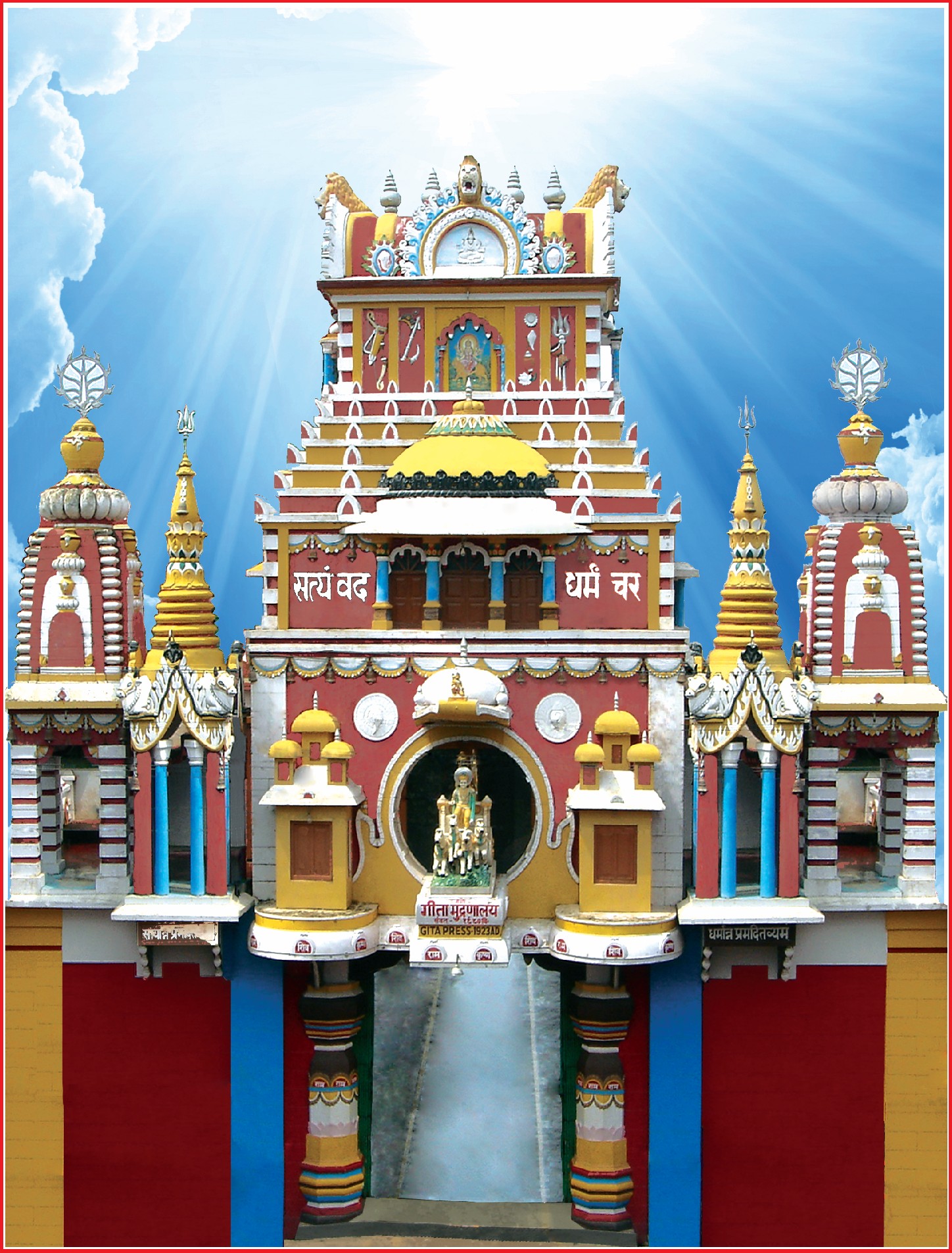
The main entrance of Gita Press, Gorakhpur, Gitadwar (गीताद्वार), is one of the most architecturally significant gateways in India. It is not merely a gate; it is a carefully conceived spiritual and cultural statement about the unified nature of Indian civilisation.
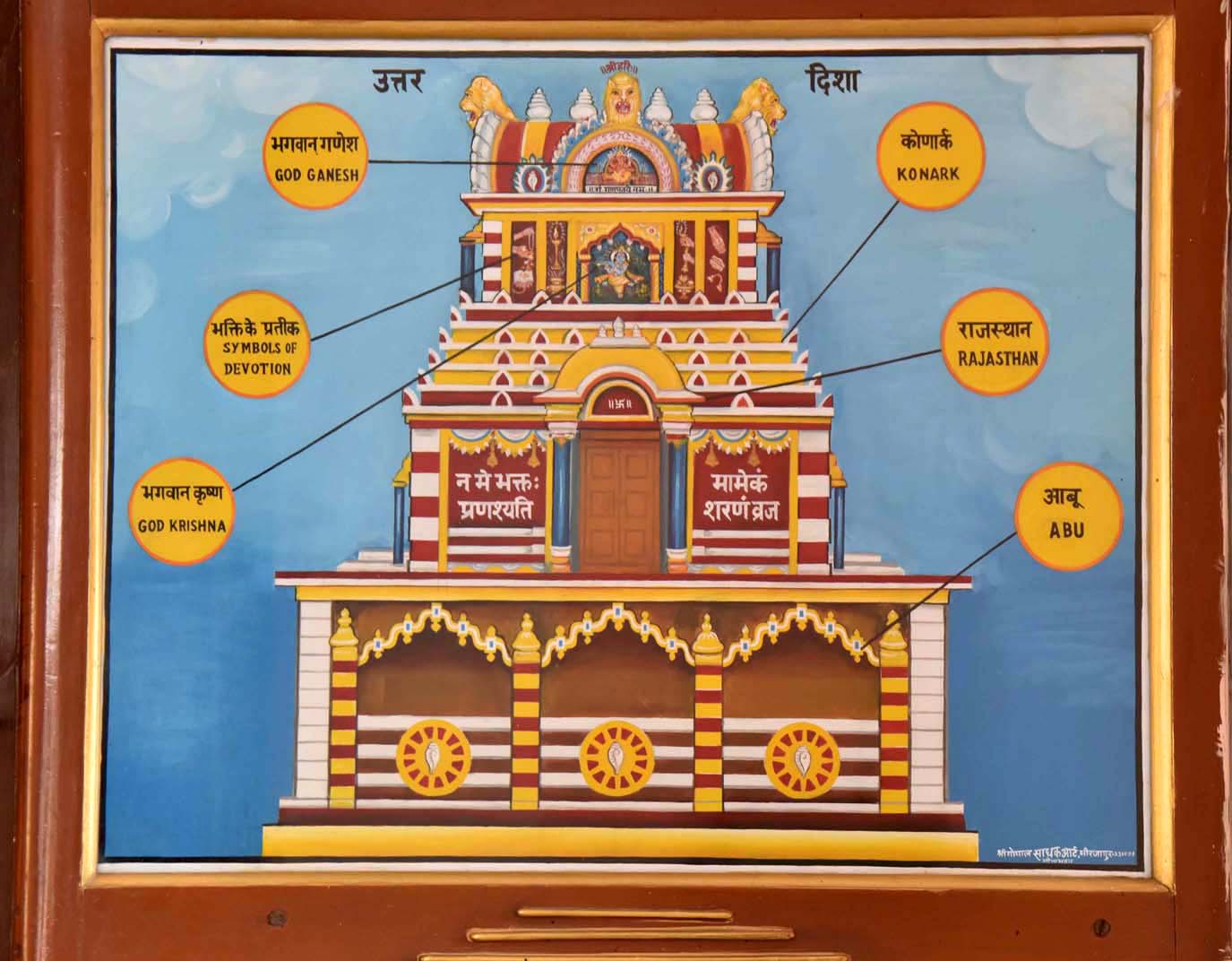
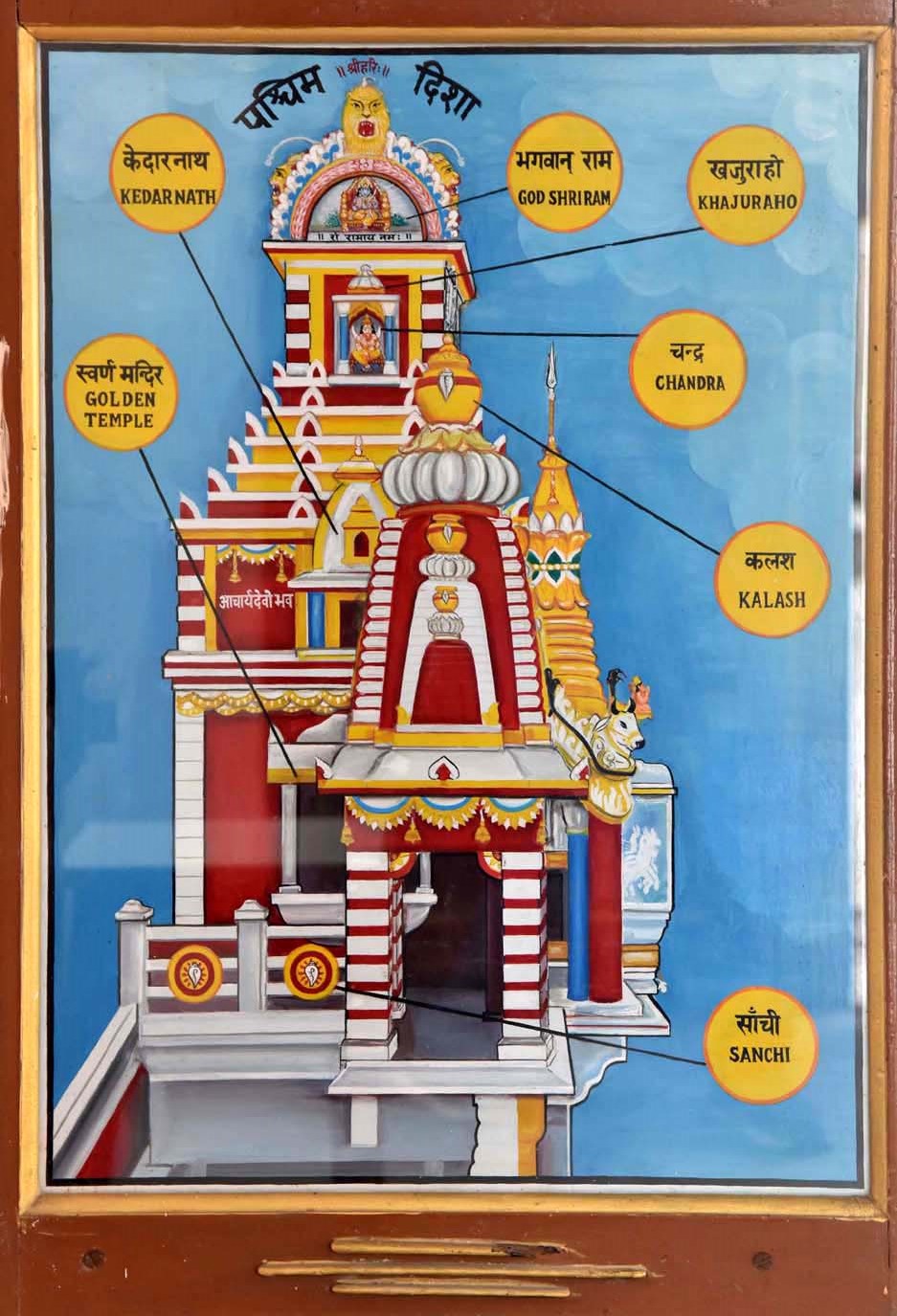
The design principle was bold and unique: every element of the Gitadwar would be directly inspired by a specific section of a specific ancient temple or sacred site from across India. No element would be generic. Every arch, every carved frieze, every section of the gate would trace its lineage directly to one of India's greatest temples, from Ellora (Maharashtra) to Konark (Odisha), from Meenakshi Mandir (Tamil Nadu) to Kedarnath (Uttarakhand).
The philosophical intent was equally bold: to demonstrate visually that India's diverse spiritual traditions (Hindu, Buddhist, Jain, Sikh) all spring from the same cultural root. The Gitadwar was designed to be sacred to a devotee of any tradition who approaches it.
Hinduism, the designers noted, is a comprehensive tradition; Buddhist, Jain, and Sikh temple arts are all expressions of the same underlying Indian cultural consciousness. The Gitadwar therefore draws from temples of all four traditions, creating a gateway that is truly representative of all of India's sacred heritage.
"The soul of a temple lies not in its architecture, but in the spiritual aspiration it evokes in those who approach it. Every stone of Gitadwar was placed with this in mind."
Key Features of Gitadwar
- Twin towers (shikharas) flanking a central arch, inspired by the great nagara-style north Indian temples
- Central archway housing the main gate, with Devanagari OM symbol and sacred deity niches
- Horizontal carved friezes on every level, inspired by specific temples
- Deity niches housing images from Panchadevopasana, Avataropasana, and Angopasana
- Architecture drawing simultaneously from Dravidian (south), Nagara (north), Kalinga (east), and Solanki (west) traditions
- Buddhist (Ajanta, Sanchi, Bodh Gaya) and Jain (Mount Abu) elements integrated
- Sikh (Golden Temple, Amritsar) architectural vocabulary represented